From Sandy Paws to Showroom Fresh: A Blackpool Dog-and-Beach Valet Plan
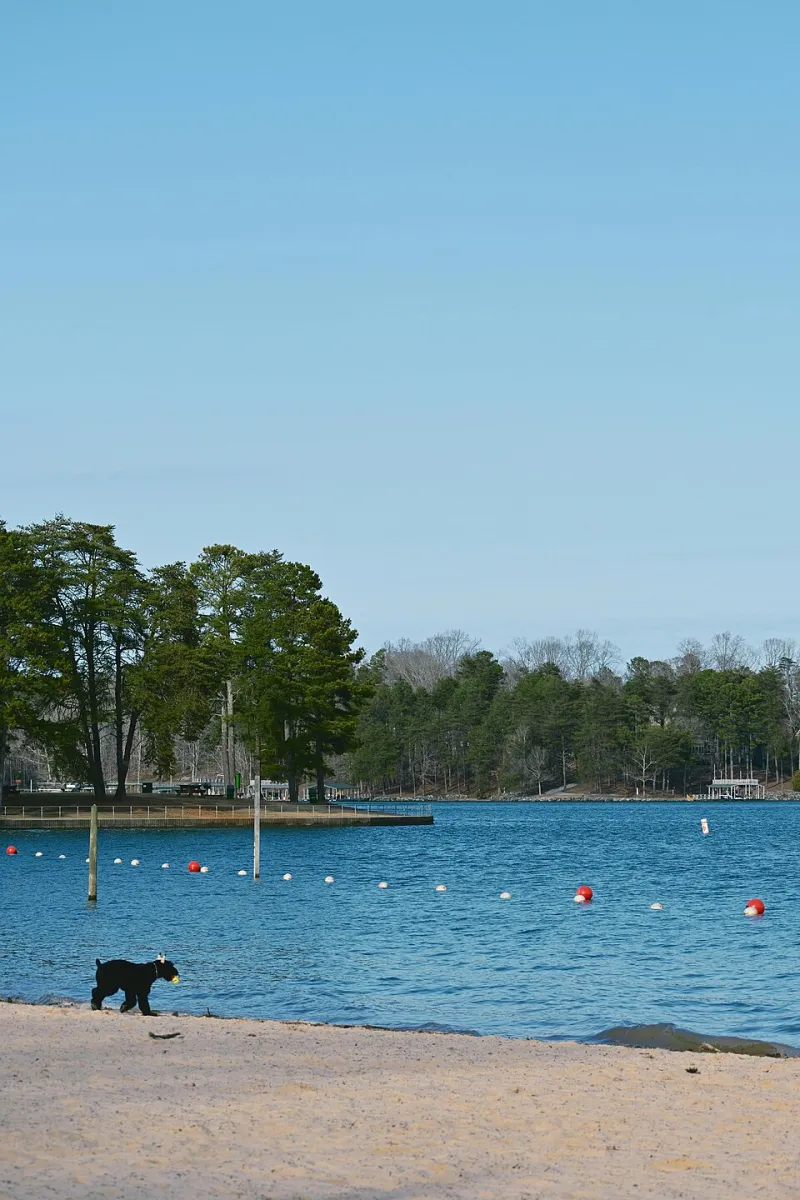
Photo: Komavo789, CC0, via Wikimedia Commons
A trip to the beach with the dog is one of the best parts of living near Blackpool. It is also one of the quickest ways to turn a tidy car into a mobile sandpit. Saltwater dries into gritty marks, wet paws push sand into seat seams, and that unmistakable damp-dog smell can settle in before you have even left the promenade.
The good news is that you do not need a forensic-level cleaning routine after every walk. You need a sensible kit, a few habits that stop mess spreading, and a deeper valet every so often. This is the plan we use for dog-owning drivers around Blackpool, Bispham and Cleveleys.
Start with the dog, not the car
A quick towel-down of paws and undercarriage before the dog gets in saves a surprising amount of work. Keep an old microfibre towel in the boot specifically for this job. If you have been in the sea, rinse paws with fresh water when you get home rather than letting saltwater dry on the skin and then transfer to the car.
For the car itself, the aim is containment. Wet dog plus loose sand plus fabric carpets is the trio that creates most of the damage. Break that chain and the rest becomes much easier.
The kit that earns its space
You do not need a van full of products. A practical pet-friendly kit looks like this:
- Deep-lipped rubber floor mats
- A fitted boot liner or washable boot mat
- A waterproof, washable seat cover or hammock
- A soft rubber brush for lifting sand from carpets
- pH-neutral car shampoo and a gentle all-purpose cleaner
- An enzyme-based odour neutraliser, not just a strong air freshener
- Several microfibre cloths and a drying towel
- Fresh water and a small bucket for paw rinses
Avoid household cleaners and heavy detergents on interior plastics and fabrics. They can leave residue, fade trim and create a perfume cloud that merely hides the dog smell for a day.
Rubber mats and seat covers: small changes, big difference
Rubber mats are the first line of defence. Choose ones with a raised lip and a non-slip backing, and check that they do not interfere with the pedals. Take them out, shake them, hose them down and let them dry fully before refitting. A damp mat under a damp dog is a recipe for a muggy car.
Seat covers need to be waterproof and washable, but they also need to fit properly. A loose cover can bunch up, trap grit and rub against the seats. A hammock-style cover is useful for back-seat travellers, while a simple fitted cover works well if your dog prefers the boot. Either way, shake and wash the cover regularly rather than waiting for it to look bad.
Sand removal without grinding it in
Dry sand is easier to remove than wet sand. Vacuum first, using a crevice tool around seat rails and under mats. A soft rubber brush can lift sand from carpet fibres before you vacuum again. Do not scrub dry sand with a wet cloth; that just pushes grit deeper into the pile.
For door cards and plastic trim, use a diluted all-purpose cleaner on a microfibre cloth and wipe gently. Pay attention to the lower door edges, where paws and wet coats brush past.
Saltwater, paw marks and lower panels
Saltwater is not just water. Around the coast it leaves a salty film that can encourage corrosion on arches, sills and lower doors. After a beach day, rinse the lower panels and wheel arches with fresh water, then wash with a pH-neutral shampoo. Dry the areas properly rather than leaving them wet in a cool garage.
Paw marks on door cards and seat backs usually come off with a gentle all-purpose cleaner. Test on a hidden area first, especially on pale trim or leather.
Muddy arches: clean safely
Muddy arches need care. Pre-rinse to soften the mud, then apply a diluted all-purpose cleaner and agitate with a soft brush. Keep high-pressure water away from electrical connectors, brake lines and sensitive components. Do not blast directly into brakes or suspension joints. Rinse thoroughly, then dry what you can reach.
If the arches are heavily packed with mud, a second gentle pass is better than one aggressive attack. The goal is to remove salt and grit without forcing water into places it should not go.
Odour: neutralise, do not mask
Dog odour usually comes from damp fabric, trapped hair and organic matter. Remove the source first: vac, shampoo carpets if needed, wash mats and covers, and leave the car ventilated. An enzyme-based neutraliser is more useful than a strong fragrance because it targets the residue rather than covering it.
Before and after: what a focused pet valet changes
A recent Blackpool beach-day car came in with sand across the rear footwells, salty tidemarks on the lower doors and a damp-dog smell that had settled into the boot carpet. The mats were removed and rinsed, the carpets were vacuumed and brushed, the seat covers were washed, the arches were pre-rinsed and cleaned gently, and the interior was treated with an enzyme neutraliser.
The after result was not a show-car interior. It was better than that: a car you could put a wet dog into again without wincing. The sand was gone from the seams, the salt film was rinsed away and the smell had shifted from damp kennel to clean car. That is the realistic standard for a pet-friendly valet.
A routine you will actually keep
Shake the mats after every beach walk, towel the dog before it gets in, and keep the boot liner fitted. Once a month, vacuum properly and wash the seat covers. After a run of coastal walks, book a deeper pet-friendly valet so sand and salt do not get a chance to settle permanently. Small habits, done often, beat one heroic clean every six months.