The Alloy Audit: Finding the Brake Dust Blackpool Shampoo Leaves Behind
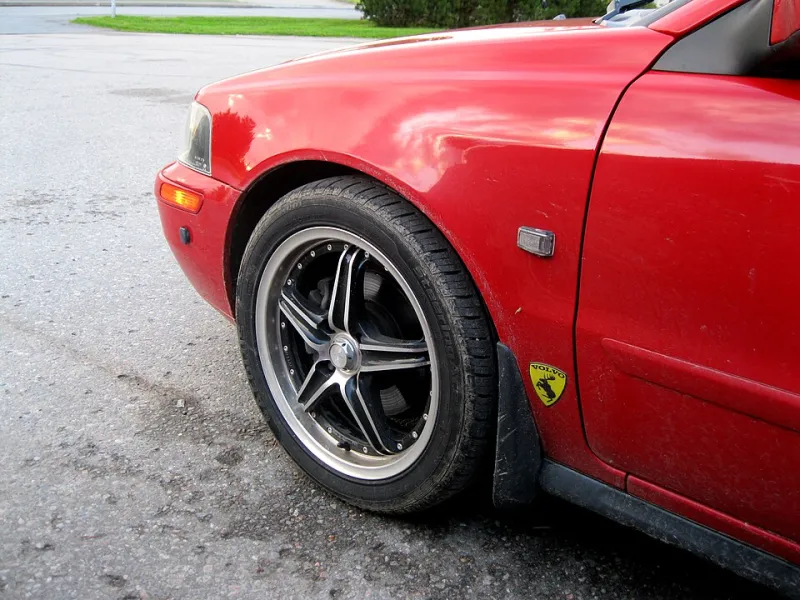
Photo: Santeri Viinamäki, CC BY-SA 4.0, via Wikimedia Commons
Wheel cleaning looks like the simple bit of a wash. Soap, brush, rinse, done. Then you run a finger along the inside of the spokes and find a gritty grey film that won't shift. That's the point where ordinary shampoo stops working. Blackpool alloys have a particular mix to deal with: brake dust from stop-start traffic, salt and sand off the Irish Sea, and the general road film that comes with UK weather.
Why Blackpool Wheels Get Grimy Differently
Brake dust is the main culprit. Every time you brake, tiny particles of iron and pad material come off and settle on the wheel. They get hot, they bake on, and they can start to rust. Front wheels usually suffer most because they do more of the braking. Add coastal salt spray, grit from winter roads, and the odd bit of tar, and you get a layer that a pH-neutral shampoo won't fully remove. The sea air doesn't help either. Salt attracts moisture and keeps the contamination working away at the finish.
Reading the Signs: Dirt or Bonded Contamination?
A clean wheel is easier to judge. Wash it, dry it, then look closely.
- Brown or orange speckles that don't rinse away are usually iron fallout.
- A rough, sandpapery feel after washing suggests bonded particles.
- Dark grey film in the barrel is often a mix of brake dust and road grime.
- Purple bleeding from a wheel cleaner is a reaction with iron; it's a sign the product is working, not a sign your wheel is dissolving.
- Sticky black spots are usually tar.
If the wheel still looks dull after shampoo and agitation, it's time for a decontamination step rather than more scrubbing.
The Safe Sequence: Cool Wheels, Gentle Products
Never start on hot wheels. Brake dust and hot metal plus a strong cleaner is a recipe for staining or etched lacquer. Work in the shade and do one wheel at a time.
- Rinse the wheel and arch to remove loose dirt.
- Clean with a dedicated wheel shampoo or pH-neutral wheel cleaner and a soft brush. Rinse.
- Apply an iron fallout remover to a cool, damp wheel. Follow the label dwell time, usually a few minutes. Don't let it dry.
- Agitate lightly with a soft wheel brush if needed, then rinse thoroughly.
- Use tar remover on any sticky spots, then rinse.
- If the surface still feels rough, use a clay bar or clay mitt with plenty of lubricant. Keep it gentle.
- Wash and dry the wheel, then inspect the barrel and spokes.
Using Iron Fallout Remover Without Causing Trouble
Wear gloves and work in a ventilated area. Don't use fallout remover on a hot wheel or in direct sun. Don't let it dry on the surface; if it starts to dry, mist with water or rinse. Keep it away from bare polished aluminium unless the label says otherwise, and test on aftermarket or diamond-cut wheels first. Rinse the wheel and arch thoroughly afterwards. You don't need to use it every wash. Once or twice a year as part of a deep clean is usually enough for a normal road car.
Protecting Wheels So They Clean Faster
Once the wheel is clean and dry, add a layer of protection. A wheel wax, synthetic sealant or wheel coating makes the surface slicker, so brake dust and salt have less to grip. Apply it to the barrel as well as the face if you can reach. Reapply every few months, or before winter. A coated wheel still gets dirty, but it usually rinses cleaner. Avoid coating brake discs or friction surfaces.
A Blackpool Seasonal Wheel Routine
Through winter, rinse the wheels and arches after gritting runs if you can. Salt left sitting is the enemy. In spring, do a full decontamination to remove the winter layer. Through summer, a monthly wash with a soft brush keeps things manageable. If you park near the sea, expect to clean more often. It's not about being obsessive; it's about stopping the contamination from becoming permanent.
When to Call It In
Some wheels need more than a driveway session. Heavily pitted alloys, chipped paint, diamond-cut faces and badly stained barrels are best left to a detailer with the right products and equipment. If you're not sure whether the finish is lacquer or bare metal, get advice before you spray anything strong on it.
The Bottom Line
Shampoo is the start, not the finish. If your wheels still feel rough after washing, they need decontamination. Use iron fallout remover sensibly, protect the surface once it's clean, and keep on top of it through the salty months. Your alloys will look better, and wash day will be quicker.