Direct Hit: A Seaside Paint Rescue Plan for Blackpool Bird Mess
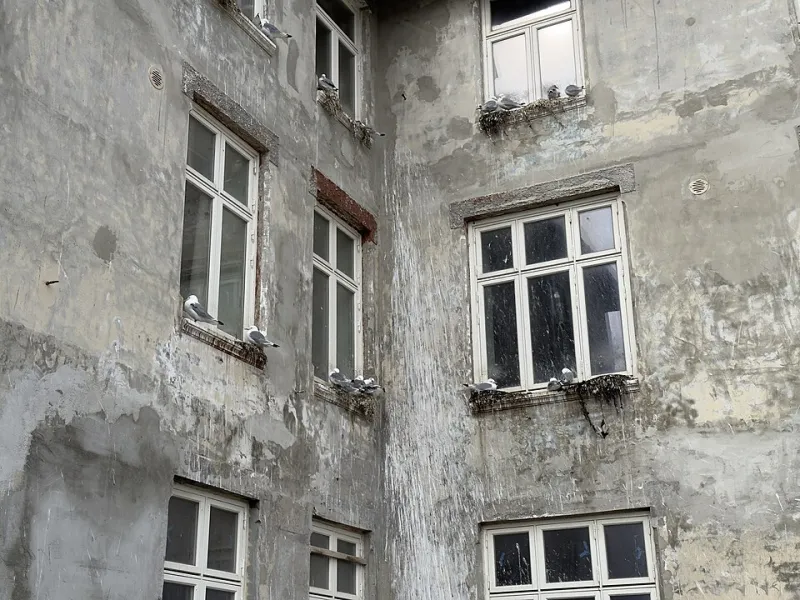
Photo: Wolfmann, CC BY-SA 4.0, via Wikimedia Commons
Blackpool has a lot going for it: the Prom, the piers, a proper fish-and-chip dinner within walking distance of the sea. It also has a lot of seagulls. Park anywhere near the front on a warm day and your car becomes part of the local food chain. A fresh dropping looks like a small nuisance. Leave it through a sunny afternoon and it can turn into a permanent souvenir in the clear coat.
This isn't about keeping a show car spotless. It's about stopping a quick bit of bad luck from becoming a paint repair. Here's the plan we'd use on any Blackpool daily driver, whether it's parked off Lytham Road or tucked up near Bispham.
Why Bird Mess Bites Harder at the Seaside
Bird droppings are not just dirt. They contain uric acid and digestive enzymes, plus grit and whatever else the gull has been eating. The acid can etch into the clear coat, especially when the paint is warm and the sun is on it. Add Blackpool's salt-laden air and a bit of wind-blown sand, and you have a small chemistry experiment sitting on your bonnet. Fresh is easy. Baked on is a different job.
The First Ten Minutes: A Gentle Removal Sequence
- Park in the shade if you can. A cooler panel gives you more working time.
- Rinse the area with plain water first. A watering can, a hose on a gentle setting or even a bottle of water will do. The aim is to soften the deposit and float away the loose grit. Don't wipe a dry dropping.
- Soak a plush microfibre cloth with water or a dedicated bird-dropping remover or quick detailer. Lay it over the mess and let it sit for a few minutes. Patience does more than scrubbing.
- Lift the cloth away. Don't drag it across the paint. If the dropping is still there, repeat the soak with a fresh cloth.
- Once the bulk is gone, wash the area with car shampoo and water, rinse, and dry with a clean microfibre towel.
- Look at the paint under a torch or low sun. If there's a faint cloud, a mild paint cleaner or hand polish may lift it. If you can feel a crater with a fingernail, stop and get advice.
What Not to Do When You're In a Hurry
Baby wipes are not a paint-care product. Neither is kitchen roll, a dry sponge, or the sleeve of your hoodie. Those things can drag grit and leave fine scratches. Avoid scraping with a fingernail, key or credit card. Don't reach for a strong alkaline wheel cleaner or a household degreaser; they can stain trim and strip protection. And don't polish over a gritty surface. If you're parked at the seafront and only have a bottle of water, use it to soften and rinse, then leave the rest for home.
If the Paint Is Already Etched
Etching shows up as a dull patch, a faint ring, or a white mark that won't wash away. Sometimes a hand polish with a mild paint cleaner will improve it. Sometimes the clear coat has been eaten into and no amount of wax will fix it. In that case, a machine polish or a bodyshop assessment is the sensible next step. Don't keep polishing the same spot in the hope it disappears; you're taking clear coat off every time.
The Next Direct Hit: Why Protection Pays
Wax, sealant or a ceramic coating won't make your car bird-proof. What it does is put a sacrificial layer between the paint and the mess. A slick coating makes it harder for the dropping to bond, and easier to rinse away. On a Blackpool car that lives near the sea, a durable sealant or coating is worth considering, especially on horizontal panels like the bonnet, roof and boot. It also helps with salt spray and general grime. Just remember that protection buys you time, not immunity. A coated car still needs prompt removal.
A Small Boot Kit for Seaside Parking
Keep a small kit in the car: a spray bottle of quick detailer or waterless wash, two plush microfibres, and a bottle of water. That's enough to deal with most fresh hits. Don't keep a gritty towel in there; wash your microfibres regularly and keep them separate from the ones you use for wheels.
The Bottom Line
Deal with bird mess quickly, use water and a soft cloth, and don't scrub. If the paint is already marked, get it looked at before you make it worse. And if you park near the Prom regularly, build protection into your routine. A little prep makes the next direct hit a lot less dramatic.