Micro-Habitats: Where Algae Sets Up Home on a Blackpool Car — and How to Evict It
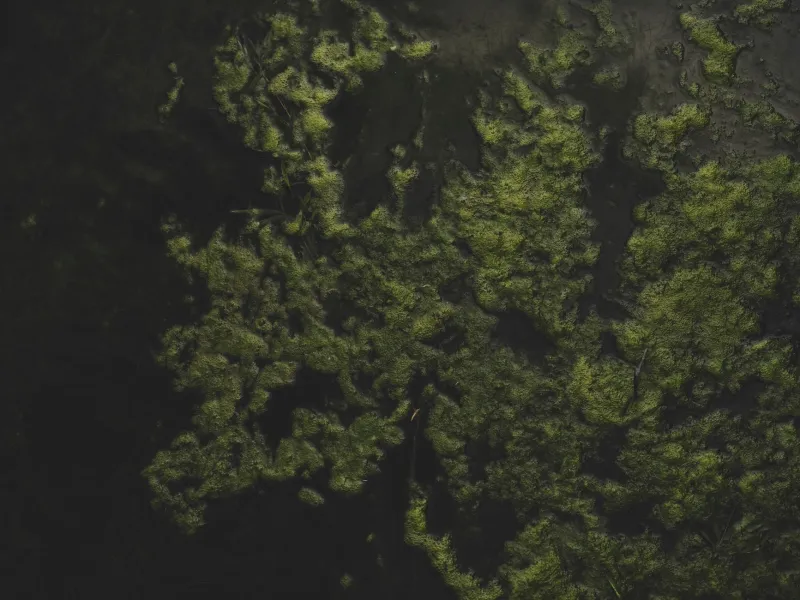
Park anywhere in Blackpool for a fortnight in November and the local climate will introduce itself. Sea fret off the Irish Sea, a bit of drizzle that never quite commits to being rain, and a salty film on everything by the time you get back to the car. We talk a lot about what that does to paint and metal. We talk far less about what it does to the quiet corners — the felt strip under the window glass, the gap behind the boot badge, the little channel where the rear bumper meets the quarter panel.
That's where algae gets a foothold. Not on the bonnet, generally. In the seams.
The overlooked real estate
Algae needs three things: moisture, a bit of organic grime to feed on, and somewhere the sun doesn't bake it dry. A Blackpool car offers all three in abundance.
Start with the outer window weatherstrips — that rubber-and-felt strip running along the base of each side window. Water pools in the channel, dust and pollen collect there, and the felt holds damp long after the glass has dried. Lift the edge gently with a finger and have a look. If it's green, that's where your problem lives.
Next, badge recesses. Raised lettering on a boot lid is a row of tiny walls, each one trapping water against the paint. Same story for dealer stickers, model badges on the wings, and the plastic surround on the number plate.
Then the shut lines and gaps: the boot aperture seal, the bonnet's leading edge, the join between bumper and wing on a hatchback, the little plastic screw caps on the wheel arch liners. Under the fuel flap. Around the mirror base. Behind the wiper arm pivots. On an estate, the roof bar mounts.
And don't forget trim recesses — the groove down the middle of a side rubbing strip, the gap where a spoiler sits on the tailgate, the underside lip of a sill cover. All of them collect a thin paste of road grime and sea salt that never fully dries.
Why seaside cars cop it worse
Salt is hygroscopic. It pulls moisture out of the air, which means a car parked a few streets back from the Prom is sitting in a mildly damp film most of the winter — even on days when it hasn't rained. Add mild coastal temperatures and you've got a growing season that runs from October to April rather than a brief summer window.
Parking makes a difference too. A north-facing drive, a spot under the trees near Stanley Park, or a car that sits for days between school runs and weekly shops will all hold damp longer than one that's used daily and parked in the open. Algae doesn't care about your service history.
Worth saying plainly: this is usually a cosmetic and hygiene issue, not a structural one. But algae holds water against rubber and paint, and long-term that's how seals go brittle and paint edges start to bloom.
Have a proper look before you reach for anything
The worst thing you can do is attack the first green thing you see with a brush and a bottle of something aggressive. Spend five minutes identifying it first — a dry day, a torch and your phone camera will do.
- Green film that wipes away with a thumb — that's algae. Normal.
- Chunky, textured green — moss. Less common on cars, more common in the scuttle panel where leaves gather.
- Blue-green crust on a metal badge — that's verdigris, not algae. Different problem, different fix.
- Chalky white or grey haze on paint — oxidised clearcoat, not growth. Don't scrub it.
Get the diagnosis wrong and you'll spend an afternoon dulling a perfectly good panel.
What not to do
A short list, learned the hard way by plenty of people before you:
- No bleach, no kitchen cleaner, no vinegar neat on rubber. It'll kill the algae and take the rubber's flexibility with it.
- No pressure washer at point-blank into seals. You'll drive water past the weatherstrip and into the door card or boot floor, which is exactly the environment algae loves.
- No abrasive pads or stiff brushes on rubber or paint edges. A soft detailing brush and a cotton bud do the job properly.
- No neat traffic film remover left to dry on trim. Dilute it, work in shade, rinse thoroughly.
The removal sequence that works
Wash the car first, as normal, in the shade and on cool panels. You want the loose grime gone before you go poking about in the gaps.
Then, section by section:
- Mix an all-purpose cleaner at roughly 1:10 and apply to a soft detailing brush — not directly to the seal.
- Agitate along the window rubbers, badge letters and shut lines. For tight recesses, a cotton bud dipped in the diluted cleaner is genuinely the right tool.
- Let it dwell for 30 to 60 seconds. No longer. Don't let it dry on.
- Rinse with low pressure, keeping the flow angled away from the seal rather than into it.
- Dry properly. Microfibre for the panels, and give the seals a few minutes to air before you close anything. A blower is ideal if you've got one; if not, a dry microfibre run along the channel is enough.
- Wipe the paint edges either side of the gap with panel wipe or IPA on a cloth.
If a faint green stain remains on the paint itself, a mild paint cleaner worked by hand on a soft pad will lift it. Don't reach for a machine polisher for this — it's overkill and it's easy to burn an edge.
Put something back into the rubber
Once the seals are clean and dry, a rubber-specific treatment — a gummi-style stick or a dedicated rubber rejuvenator — keeps them supple and slightly water-repellent. Avoid glossy silicone dressings on window rubbers; they smear across the glass the first time it rains, and you'll be chasing streaks for a week.
Prevention that actually sticks
You're not going to beat the Blackpool climate, but you can make your car a less attractive landlord.
- Wipe the usual suspects once a month. Two minutes with a damp microfibre along the window rubbers and boot shut line does more than an annual deep clean.
- Keep debris out of the scuttle panel. Rotting leaves under the bonnet are an algae nursery and a blocked drain waiting to happen.
- Dry the gaps after a wash, not after rain — you can't control the weather, but you can control what happens in your own ten minutes with a towel.
- Keep paint sealed. A wax or sealant on the panels makes it harder for a biofilm to cling to the edges near gaps. It won't stop algae in the rubber channel, but it helps the paint.
- Fix leaks early. A damp boot carpet or misted-up rear screen after rain is the beginning of a much bigger problem than a green stripe.
A simple calendar for coastal cars
Check the seals and shut lines properly in October, when the damp season starts. Do a light wipe-down in February when the worst of it has passed. Then give everything a proper clean and a rubber treatment in May, once the salt's off the roads and the car's drying out between showers.
That rhythm covers most Blackpool cars comfortably. If you find algae pushing up under trim, or a musty smell inside after wet weather, that's the point to stop cleaning and start investigating — because by then the growth isn't the problem, it's the symptom.