Dry Carpets Start Up Top: A Blackpool Scuttle, Sunroof and Seal Audit

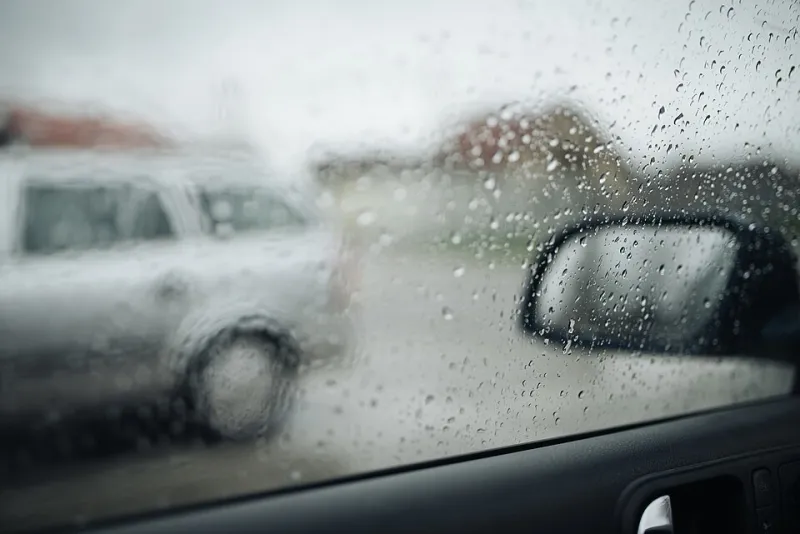
Photo: Christopher Killalea, CC BY-SA 3.0, via Wikimedia Commons
Your car's wettest problems rarely begin in the footwell. They start above your head and just out of sight: the scuttle panel at the base of the windscreen, the sunroof cassette, the door seals and the boot channels. In Blackpool, autumn leaves, sandy grit and salt-laden spray all conspire to clog those narrow escape routes. By the time the carpets feel damp, the water has usually been coming in for a while.
A dry cabin is not just about comfort. Trapped moisture fogs the glass, encourages musty smells, feeds mould on upholstery and can creep into wiring, sound deadening and floor pan seams. The good news is that most of the checks take less than an hour on a dry afternoon, and you do not need a fully equipped workshop. A torch, a vacuum, a soft brush, a watering can and a little patience will do more than you might think.
Start at the scuttle, not the carpet
Open the bonnet and look at the plastic panel below the windscreen. That is the scuttle or plenum area. It catches leaves, blossom, grit and all the general debris that blows around the Fylde coast. Underneath it, drains carry rainwater away before it can reach the pollen filter or the cabin intake.
Lift the bonnet and inspect the channel with a torch. Leaves often gather at the corners, where they turn into a dark, soggy mat. Remove them by hand where you can. A soft brush and a vacuum with a crevice tool will shift the rest. Avoid jabbing at the area with a screwdriver; plastic clips and trim edges are easily marked, and you do not want to push debris further down the drain.
Once the loose material is gone, trickle water from a watering can into the channel. It should run away freely beneath the car. If it pools, the drain is still restricted. A length of soft cable or low-pressure air can help ease a blockage, but keep the pressure gentle. If the water refuses to move, stop and investigate rather than forcing it.
The pollen filter is a telltale
While you are in that area, check the pollen or cabin filter if your car has one. A filter that is wet, heavily soiled or holding leaves is a sign that water is not draining as it should. It is also worth checking after the first proper autumn storm. A damp filter can mist the windows every morning and make the cabin smell like a forgotten gym bag.
Some filters are easy to reach behind the glovebox; others are tucked under the bonnet at the base of the windscreen. If yours is awkward to access, or if you find standing water nearby, it may be a job for a garage rather than a roadside fiddle.
Sunroof drains need a quiet word
If your car has a sunroof, it has four small drains, usually at the corners of the cassette. They are brilliant at their job until leaves and grit turn them into tiny dams. Open the roof and look in the channels. Clean out loose debris with a soft brush and a damp cloth, then pour a small amount of water into each corner and watch where it goes. It should disappear without backing up.
Do not fire a pressure washer at the sunroof seals in the hope of blasting them clear. That is a good way to push water where it should not be and to stress old rubber. Gentle testing is the aim. If water dribbles into the headlining or down the door pillars, the drain tube may be detached or blocked, and that is worth sorting before the wet months settle in.
Door and boot seals: look low, not just high
Door seals often look fine along the top and fail quietly at the bottom corners. Wipe them with a damp cloth, then dry them properly. Grit trapped in the rubber acts like sandpaper every time the door closes. Check the drain holes at the lower edge of each door too; they are small, and they block easily with coastal grime.
Give the boot a similar review. Lift the boot floor and look in the spare wheel well. A little condensation is one thing; a puddle or a tide mark is a warning. Check the boot seal, the light clusters and the rear screen surround. Estate cars, hatchbacks and older saloons can all collect water back there without the cabin showing much at first.
Early signs that water is winning
You do not need a soaked carpet to know something is wrong. Watch for windows that mist up more than usual, a musty smell when you first get in, damp patches under the mats, water stains on the headlining, or a boot carpet that feels cold and clammy. In winter, a car parked facing uphill or downhill can send water to different corners, so a dry-looking driver's side does not mean the passenger side is fine.
If you do find dampness, dry the area thoroughly and trace the source before simply replacing the mats. A wet sound deadening pad can hold water for weeks. Leaving the windows slightly open on a dry day, or using a dehumidifier bag, can help after the leak is fixed, but it will not cure a blocked drain.
A Blackpool-specific habit worth building
Cars parked near the Promenade, under trees or on streets where leaves gather will always collect more debris than a garage-kept car. Make the scuttle check part of your autumn routine, ideally before the first named storm and again after the leaves have fallen. It is a ten-minute job that protects carpets, electrics and the general smell of the cabin.
If you are booking a winter protection package or a full valet, ask whether the scuttle and visible drains have been checked. A clean car with a hidden water trap is only half finished. Dry carpets start up top, and a little attention now keeps Blackpool's rain on the outside where it belongs.