Keeping the Rag Top Sharp: A Seaside Soft-Top Care Guide for Blackpool
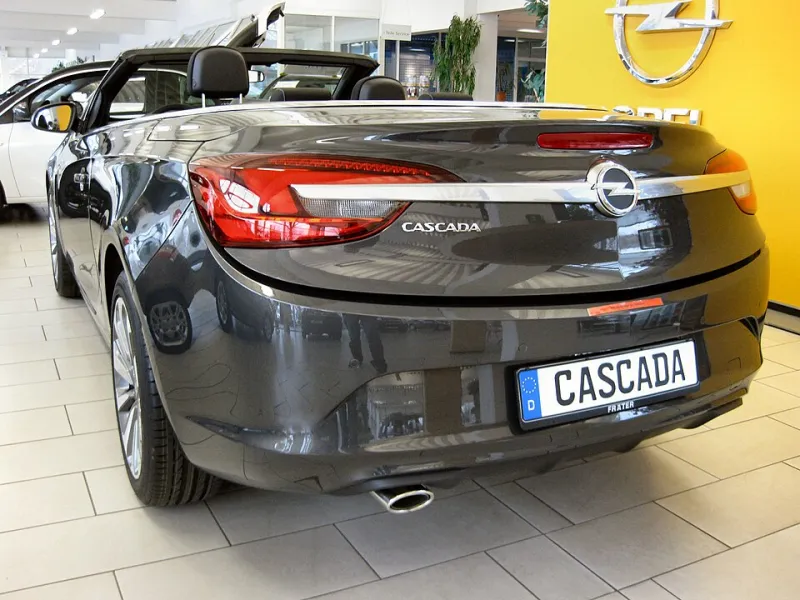
Photo: KarleHorn, CC BY-SA 3.0, via Wikimedia Commons
A convertible roof is one of those parts that looks brilliant when it is clean and slightly tragic when it is not. By the sea, it has a tougher job than most. Blackpool's salty air, sudden rain showers, beach sand and summer UV all work on the fabric or vinyl every time the car is parked. Add a few trips to the Promenade and a roof that gets folded away damp, and you have the perfect conditions for dulling, staining and mould.
The good news is that soft-tops respond well to a simple routine. You do not need a warehouse of products. You need to understand what the material is, keep it clean, dry it properly and top up the protection before the weather turns.
Fabric or vinyl? Know what you are cleaning
Most modern convertibles use either a fabric roof — often canvas, mohair or a synthetic textile — or a vinyl roof. They are not the same. Fabric roofs are woven, so dirt can sit in the fibres and water can soak in if the proofing has worn off. Vinyl roofs are smoother and more waterproof by nature, but they can dry out, crack and fade in UV.
Use a cleaner made for the material. A general car shampoo is better than washing-up liquid, but a dedicated fabric roof cleaner or vinyl cleaner will do a more careful job. Avoid harsh detergents, stiff brushes and pressure washers held close to the seams. The goal is to lift dirt, not to blast the proofing off.
The weekly beach routine
If the car has been near the beach, rinse the roof before you do anything else. Sand and salt are abrasive. Wiping a dry, sandy roof with a cloth is a quick way to dull the surface. Use a gentle stream of water from a hose or a rinseless wash pre-soak, then work from the top down.
Use a soft brush or a microfiber wash pad. Clean in straight lines rather than circles, and pay attention to the seams, the area around the rear window and the base of the roof where grit collects. Rinse thoroughly, then dry with a clean microfiber towel. Do not let the roof dry in direct sun if you can avoid it, because water spots and cleaner residue are harder to shift once baked on.
Salt, sand and the hidden grit
Salt is the quiet enemy. It does not always look dramatic, but it attracts moisture and can dry out fabric and vinyl over time. Sand is worse in the short term because it acts like sandpaper. Vacuum the roof gently with a soft brush attachment before washing if it is dusty, and rinse the lower edges where sand gathers.
If you park near the seafront, a quick rinse after a windy week is worth more than a deep clean once a month. A rinseless wash is handy here because you can use a small amount of water and a soft microfiber towel without soaking the street. Just make sure you pre-soak and use plenty of clean towels.
Mould and mildew: the damp-air problem
Blackpool's damp air and sudden showers make mould a real risk, especially if the roof is folded away wet or the car sits in shade. Mildew shows up as dark speckles or a musty smell. Once it takes hold in fabric, it can be stubborn.
Prevention is much easier than the cure. Never fold the roof away wet if you can avoid it. If you have to, open it out and let it dry as soon as possible. Park in the sun when you can, and leave the roof up and ventilated rather than trapping moisture under a cover. If you see mildew, clean the area with a dedicated fabric roof cleaner and a soft brush, then rinse and dry thoroughly. Avoid scrubbing hard, which can fuzz the fibres. For severe mould, a specialist convertible roof cleaner or a professional detailer is the safer route.
Proofing: the roof's raincoat
Fabric roofs need proofing to repel water. If water stops beading and starts soaking in, the protection has worn off. Clean the roof first, let it dry completely, then apply a fabric roof protector according to the instructions. Work in a well-ventilated area and mask off the paint and glass if the product is not meant for them.
Vinyl roofs do not need fabric proofing in the same way, but they do benefit from a vinyl conditioner or protectant that helps guard against UV and drying. Use a product with a matte or satin finish rather than a glossy one, unless you like the look of a plastic dinghy.
Folding, storage and the winter plan
Before folding the roof, make sure it is clean and dry. Grit trapped in the folds can rub through the material over time. If the car is going to sit for a while, leave the roof up rather than folded. A folded roof under tension and damp is a mould trap.
In winter, keep an eye on the roof after salty drives. A quick rinse and dry will remove the worst of the spray. If the car is stored outside, check the drainage channels and make sure water is not pooling around the roof seams. A breathable cover can help, but only if the roof is dry before it goes on.
When to call in a specialist
Most soft-top care is within reach of a careful owner with a bucket, a soft brush and the right cleaner. But if the roof has heavy green algae, deep mildew staining, a torn seam or a failing rear window, a specialist is worth it. A detailer who works with convertibles can clean, proof and assess the roof without making the damage worse.
A soft-top by the sea will never stay factory-fresh forever. But with a bit of routine care, it can stay sharp through beach trips, promenade drives and the inevitable Blackpool drizzle. Keep it clean, keep it dry and keep the protection topped up, and the roof will look after you.