Tarmac Tags: A Careful Tar-Spot Routine for Blackpool Cars
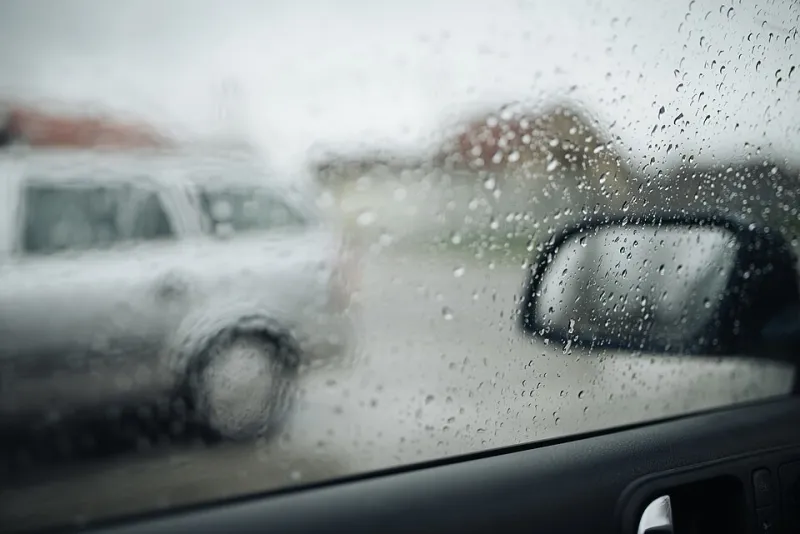
Photo: Shixart1985, CC BY 2.0, via Wikimedia Commons
The black speck problem
You park up after a run along the coast or a commute past a patch-repair gang, and the lower half of the car looks like it has caught a light case of measles. Tiny black dots, sometimes a smear, sometimes a gritty little lump. That is road tar, and in Blackpool it has plenty of chances to find your paint: resurfacing stretches, utility trenches, chipping gangs and the slow bake of a sunny afternoon.
Tar is not dirt. It is a sticky, oily binder that grabs hold of clearcoat and then collects grit, dust and brake dust on top. Left alone, it hardens. Once it bakes, the temptation is to scrub harder or reach for a fingernail. That is how a five-minute spot check becomes a marring job. The better approach is to soften first, lift gently and then put protection back on the areas that take the hit.
First, confirm it is tar
Not every black speck is tar. Bug splatter, paint chips, rubber transfer from a cone and even dried sealant can look similar in a car park. Tar usually feels slightly raised and tacky, and it often smears when you rub it with a clean finger. Paint chips are sharp-edged and sit below the surrounding finish. If you are not sure, clean the area first and look again under a torch.
Check the usual suspects: the bottom of the doors, the sills, the leading edge of the rear arches, the lower rear bumper and the boot lip. On a coastal car, those areas also collect salt film and damp grit, so do not start picking at anything until the panel has been rinsed. A dry wipe over gritty tar is just sandpaper with extra steps.
Work cool, work clean
Tar removal is a shade job. A hot panel in direct sun makes the tar soft and smeary, and it makes solvents flash off faster. If you can, park in the shade and let the paint cool. If you are using a public car park or a quiet back street, pick a spot away from passing traffic and keep your kit tight so you are not crouching in the road.
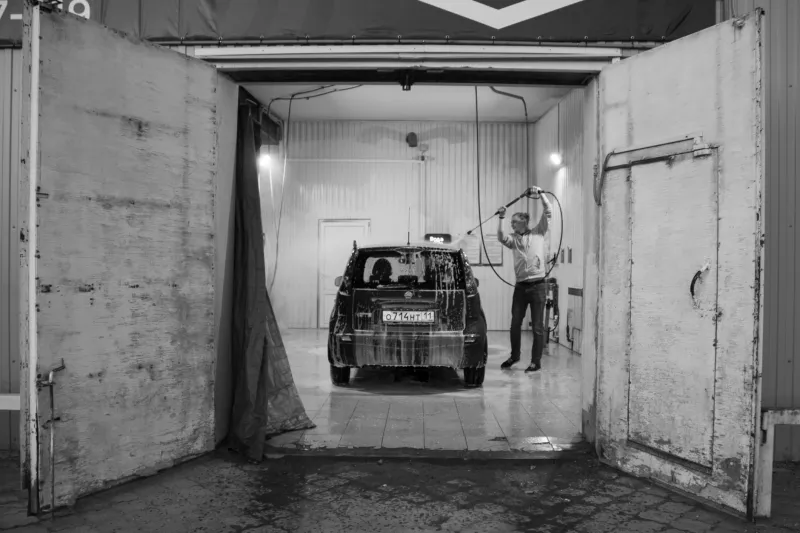
Start with a proper rinse or a trip to a jet-wash bay to shift loose grit. You do not need to wash the whole car perfectly, but the tar spots need a clean surface around them. Dry the lower panels with a clean microfibre, then work in small sections. A head torch or phone light helps you see the true extent of the speckling.
The solvent method: dab, dwell, lift
Use a dedicated tar remover rather than petrol, brake cleaner or cellulose thinner. Those harsh products can dull paint, attack plastics and strip whatever wax or sealant you have left. A proper tar remover is designed to soften the binder without turning the panel into a test bed.
Apply a small amount to a microfibre cloth or directly to the spot, depending on the product instructions. Let it dwell for a minute or two, then wipe gently. Do not flood the panel and do not scrub. If the tar has been there a while, repeat the process rather than increasing the pressure. Keep the cloth turning to a clean face, and swap it before it becomes a tar-loaded rag that just spreads the mess.
Be careful around plastic trim, rubber seals and wheel arch liners. Solvent can leave chalky marks on unpainted plastic, so keep it on the paint and rinse any overspray promptly. Test any product on a hidden area first, especially on fresh paint, smart repairs or a wrapped panel. If the paint is cracked, blistering or already lifting, stop and get advice rather than picking at it.
When to bring in clay
Once the lumps are gone, you may be left with a faint grey film or a rougher texture on the lower panels. That is where a clay bar can help, but only after the tar has been softened. Use a proper clay lubricant and light pressure, keeping the clay clean and kneading it as it loads up. The aim is to pull the remaining contamination out of the clearcoat, not to scrub the panel back to bare paint.
If the clay starts dragging or the lubricant dries, add more lubricant. If you drop the clay, bin it. A clay bar that has been on the ground is a grit delivery system. For most drivers, a small clay session on the sills and lower doors once or twice a year is plenty. The rest of the car can be left alone unless it feels rough after washing.
Do not strip the protection you paid for
Tar removers and clay both leave the paint ready for protection, not protected. After the spots are gone and the panel has been rinsed and dried, apply a wax, sealant or spray protection to the lower panels. Those are the areas that face the most spray, salt and grit, so they deserve a fresh layer even if the rest of the car is still holding up.
On Blackpool cars, the rear arches and sills take a particular beating. A little extra protection there, plus a check for mudflaps and arch liners that are doing their job, will reduce how much tar and grit the paint has to cope with next time. It is not a force field, but it makes the next clean easier and gives you a better chance of spotting problems early.
A no-driveway before-and-after routine
If you do not have a driveway, keep the job modular. First, rinse the lower panels at a jet-wash bay or with a rinse-less wash product if the car is only lightly soiled. Second, park in shade and apply tar remover to one section at a time. Third, wipe gently, rinse and repeat on the stubborn spots. Fourth, clay only if the paint still feels rough. Fifth, dry and protect the lower panels.
Take a before photo of the worst area and an after photo once it is clean and protected. It sounds fussy, but it helps you see whether the tar is coming back in the same places and whether your protection is holding. Keep solvent-soaked cloths away from children and pets, let them dry outdoors and dispose of them sensibly. And if the tar has been baked on for months, be prepared to do two or three gentle passes rather than one aggressive one. Patience is cheaper than a paint correction.
Tar spots are a fact of life on UK roads, but they do not have to become a permanent feature of your paintwork. Soften, lift, rinse, protect. That is the whole routine, and it works just as well on a Blackpool back street as it does in a detailing bay.