Creak Now, Seize Later: Winter Lubrication for Blackpool Doors, Boots and Bonnets
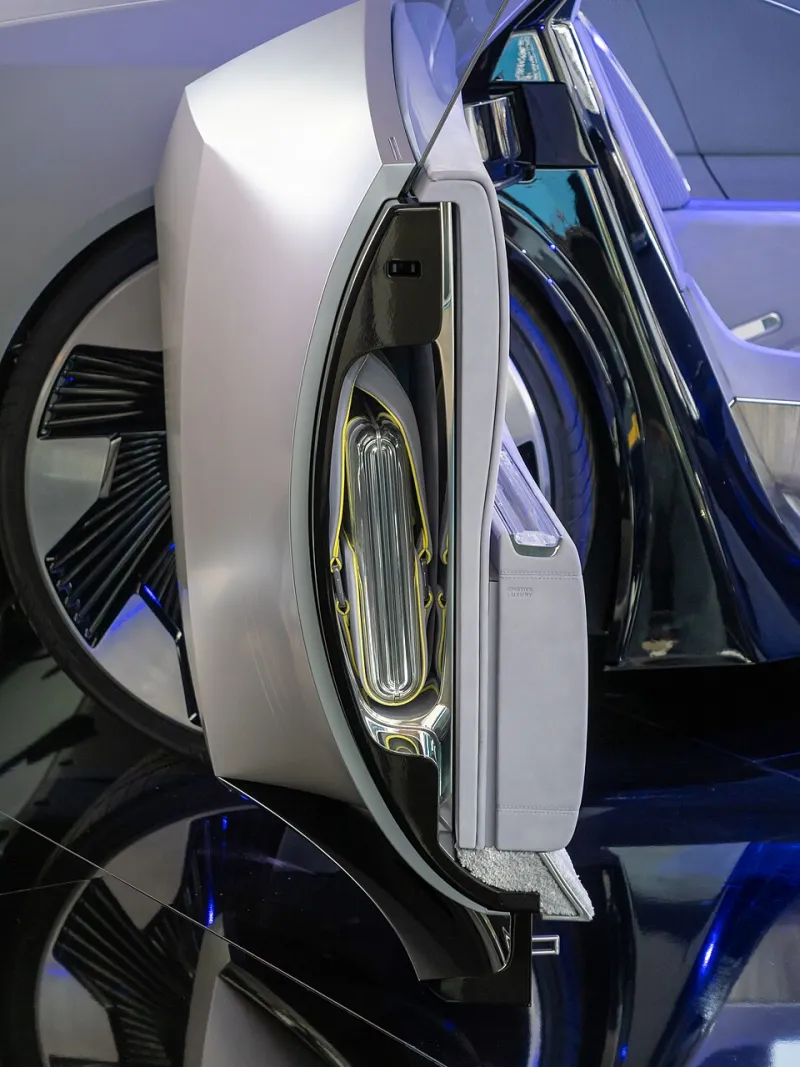
Photo: Matti Blume, CC BY-SA 4.0, via Wikimedia Commons
A car can look clean from ten paces and still be quietly seizing up at the edges. In Blackpool, the sea air and winter grit don't restrict themselves to paintwork and wheel arches. They creep into the places you only notice when something stops moving properly: the door hinge that clicks, the check strap that graunches, the bonnet catch that needs an extra shove, the boot strut that gives up halfway.
None of this is glamorous detailing. It is basic mechanical housekeeping, and it is exactly the sort of job that gets postponed until a door sounds like a haunted gate. With winter 2026 settling in, a short lubrication session now is cheaper and far less annoying than freeing a seized latch on a dark, wet evening.
Why coastal cars creak first
Cars parked near the Prom, or even a few streets back from the Irish Sea, live with a fine film of salt-laden moisture for much of the year. Add road grit, rain and the freeze-thaw cycle, and the exposed moving parts take a proper beating. Hinges lose their grease, check straps collect grit, and bonnet catches dry out. The result is wear, noise and, eventually, a mechanism that does not do its one job.
You do not need a workshop to stay ahead of it. A rag, a small brush, a degreaser and the right lubricant will cover most of the routine. The trick is to clean before you lubricate. Spraying grease over old grit is just making a grinding paste with extra steps.
The small kit that earns its keep
A sensible winter kit for this job includes:
- A citrus-based or mild degreaser
- A stiff parts brush and a couple of microfibre cloths
- White lithium grease or a quality hinge lubricant
- Silicone grease for check straps and rubber-friendly areas
- Dry PTFE spray for locks and awkward linkages
- A light silicone spray for strut rods and general protection
- Nitrile gloves, because old hinge grease is grim
Avoid using thin penetrating spray as a long-term fix. It can displace water and free something up, but it does not stay put like a proper grease. Similarly, keep ordinary engine oil away from door seals and painted surfaces.
Door hinges and check straps
Open each door fully and look at the hinge pins and the check strap. You are checking for rust, dry grease, grit and any sign of movement that feels loose rather than stiff. Clean the hinge area with degreaser and a brush, wipe away the old muck, then dry it properly. Apply white lithium grease sparingly to the hinge pins and work the door open and closed a few times so it spreads. Wipe off the excess before it becomes a dirt magnet.
The check strap often gets ignored because it is tucked between the door and the pillar. Clean the strap and its guide, then apply a little silicone grease to the metal contact points. Do not smother the whole assembly. If the door makes a sharp crack or the strap feels loose, stop lubricating and get it checked – that is a wear issue, not a maintenance issue.
Bonnet catch and release cable
The bonnet catch is a safety component, so treat it with a bit of respect. Open the bonnet, clean around the latch mechanism with degreaser and a brush, and rinse away the loosened grit carefully. Dry it, then apply a small amount of white lithium grease to the latch, spring and pivot points. Work the release lever and the catch a few times, then wipe away any excess.
Check the secondary catch as well. It should move freely and spring back positively. If the release cable feels sticky, a dry PTFE spray worked along the cable can help, but do not fill the whole assembly with grease. A cable that is frayed or badly stiff needs replacing, not another coat of lubricant.
Boot, tailgate and struts
Boot hinges and tailgate latches benefit from the same clean-and-grease routine. On estates and hatchbacks, pay attention to the gas struts. Wipe the exposed rod with a damp cloth, dry it, and give it a light wipe with silicone spray on a cloth. Do not pack the rod with grease. If a strut is weak, rusty or noisy, replace it rather than trying to lubricate it back to health.
While you are there, clear leaves and grit from the boot shut lines and around the rubber seals. A seal that sits against grit will wear, and a blocked drain channel will send water exactly where you do not want it.
Locks, handles and the little linkages
Modern key fobs mean door locks get less use, which is precisely why they can seize. A short burst of dry PTFE spray into the lock barrel, followed by a few turns of the key, is usually enough. Avoid squirting thick grease into a lock. It collects dirt and makes a future problem worse.
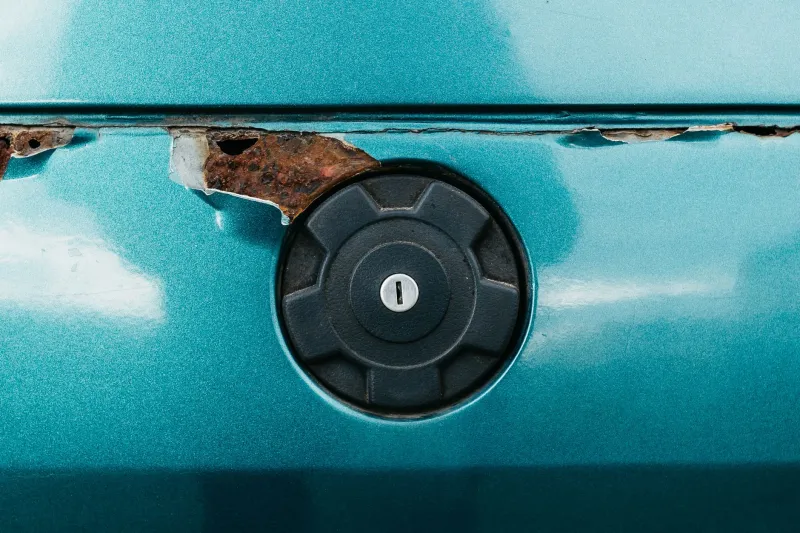
Check exterior handles for smooth operation and make sure the little pivots are not dry. A light touch of silicone spray on a cloth is better than a soaking. The same goes for fuel filler flaps and any exposed tailgate linkage.
A 20-minute monthly check
Once winter is properly here, put this on the same mental list as checking tyre pressures and screenwash. Open every door, the boot and the bonnet. Listen for creaks, feel for stiffness and look for rust blooms or fresh grit. Wipe away any excess lubricant that has collected dirt. If your car lives outside near the coast, a monthly check is not overkill; it is simply cheaper than replacing a latch or a check strap.
If a mechanism is already seized, crunching or refusing to latch properly, do not force it. A door that will not stay closed on the second click, or a bonnet that feels vague, is a safety matter. Get it looked at properly. The rest of the time, a modest bit of cleaning and greasing will keep the boring parts of your car doing their job quietly through the Blackpool winter.