The Tank Nobody Checks: Flushing Sour Screenwash Out of a Blackpool Car
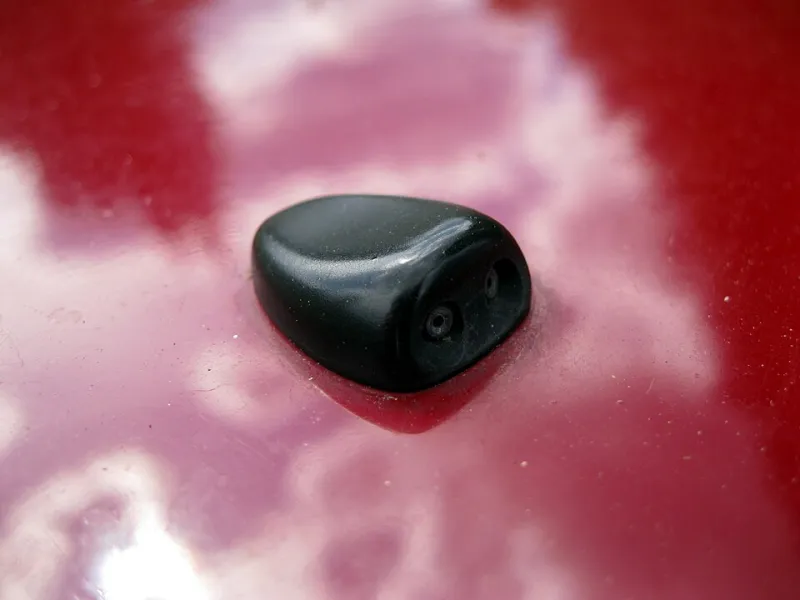
Photo: Santeri Viinamäki, CC BY-SA 4.0, via Wikimedia Commons
You check the oil. You kick the tyres. You might even glance at the coolant. Then the first salty, squally morning arrives on the Fylde coast, you pull the stalk for a quick clear, and the windscreen gets a feeble dribble and a smell like an old dishcloth. That is the washer bottle making its presence felt.
It is an easy tank to ignore. It has no dipstick, no warning light on most cars, and it only holds a couple of litres. But in Blackpool it lives a harder life than most. Humid Irish Sea air, fine road dust, salt film and a warm engine bay make a lovely little incubator. Leave the wrong mix in there for a few months and you get sludge, blocked nozzles and a jet pattern that misses the screen entirely.
Why seaside screenwash turns sour
Screenwash is not sterile. The blue, pink or green stuff is mostly water, detergent, a bit of alcohol and corrosion inhibitors. Once you dilute it, especially with tap water, you give bacteria and algae a place to settle. The engine bay keeps things cosy. Coastal humidity adds moisture. Dust and pollen blow in through the filler neck. Before long there is a biofilm on the inside of the tank and a gritty sediment in the bottom.
Mixing brands does not help. One bottle may be a summer dilution, another a winter neat mix, and a third is whatever was left in the garage. Different dye and detergent chemistries can fall out of suspension and form a jelly. Topping up with plain water makes it weaker still. A weak mix does not clean, does not protect against frost and does not stop the bugs.
The warning signs Blackpool drivers miss
You do not need to wait for a failed MOT or a blind commute. The tank usually tells you first.
- A rotten, vinegary or eggy smell when you use the washers.
- One jet working, one sulking, or a jet that sprays the roof of the car.
- A streaky screen that clears in patches rather than one clean sweep.
- Sludge or a slimy film on the inside of the filler cap.
- The rear washer taking ages to dribble, or leaving a wet patch on the boot lid.
- A low washer warning that comes back quickly after a top-up.
If any of those sound familiar, the tank needs more than a splash from a forecourt bottle.
What not to put in the tank
Washing-up liquid is the classic mistake. It foams, it strips wax, it leaves a film and it does nothing for frost. Do not use neat antifreeze either. Do not mix random leftovers just to use them up. And do not attack a blocked nozzle with a fat sewing needle; a fine pin is fine, but levering at the jet can snap the housing or knacker the spray pattern.
The ten-minute flush
You need a jug, a turkey baster or a cheap siphon, a funnel, clean water and the right screenwash. Park on level ground and let the engine cool for a few minutes.
- Pop the bonnet and find the washer cap. It is usually blue or yellow, marked with a windscreen symbol.
- Siphon or baster out as much old fluid as you can. Do not taste it, obviously. Tip it into a sealed container for the tip.
- If the bottom is gritty, carefully remove the tank if it is easy to reach, or flush it with clean water and siphon again. On most cars you can simply repeat the fill-and-drain twice.
- Fill with clean water and run the washers for ten seconds to push the old mix through the lines.
- Empty again, then refill with screenwash mixed to the ratio on the bottle. Do not guess.
- Run the jets and check the pattern. A pin can gently clear a stubborn nozzle. Check the rear washer too.
While you are in there, look at the little filter in the filler neck. Many cars have one and it catches grit and leaves. If it is clogged, the tank fills slowly and the gunk goes straight into the system.
Dilution for Blackpool's seasons
Use the bottle's own ratios. They vary. A typical guide is one part screenwash to ten parts water in summer, one to five in autumn, and a stronger mix or neat product in winter when frost is forecast. A winter mix rated to minus ten is sensible for the coast; a neat product is better for a hard snap.
Do not top up with water between services. Top up with the same mixed solution. Keep a labelled bottle in the garage with the date mixed on the side. If you are buying ready-mixed, check it is actually ready-mixed and not a concentrate that has been watered down.
A small routine that pays
Once a month, look at the tank. Once a season, flush it. Before the gritters hit the A583 and the promenade gets its first salty spray, treat the washer bottle like the safety item it is. A clean tank and a correct mix mean clear glass, working jets and one less thing to swear about on a dark November commute.